

How Midwest Weather Impacts Roofs: Essential Roofing Tips for Homeowners
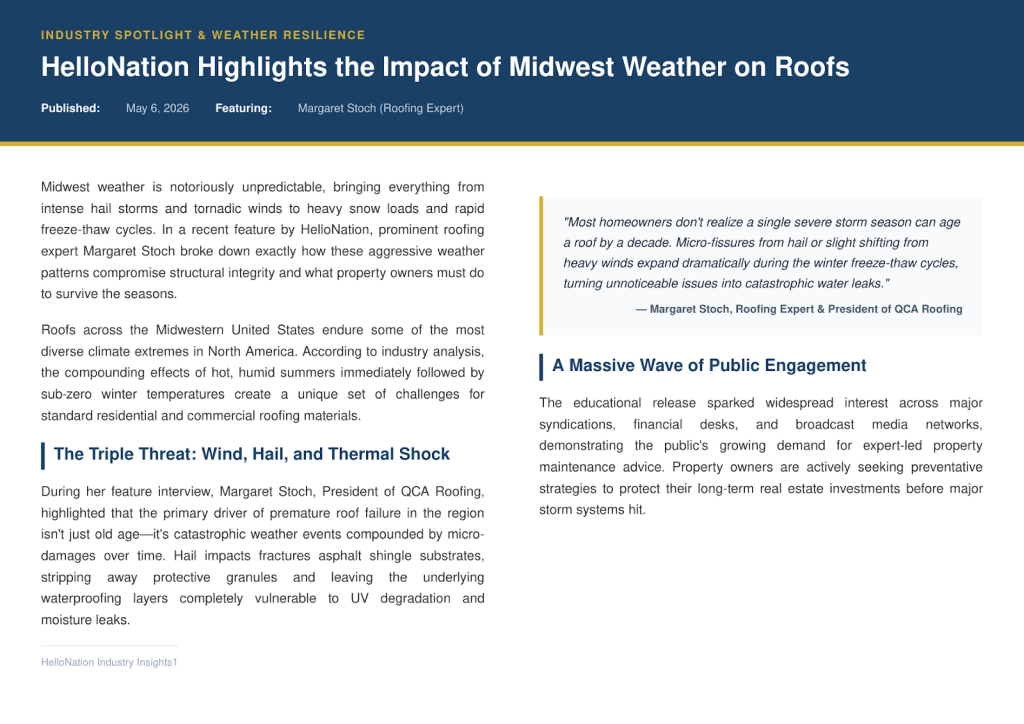
Homes throughout the Midwest experience some of the most challenging weather conditions in the country. From heavy snowfall and freezing temperatures to powerful storms and sudden temperature changes, these seasonal conditions can put significant stress on roofing systems.
Your roof plays an important role in protecting your home, but constant exposure to harsh weather can lead to damage over time. Understanding the effects of Midwest weather on roofs can help homeowners prevent expensive repairs and maintain a safer, more
durable property.
HelloNation article
Why Midwest Weather Can Be Tough on Roofs
The Midwest climate creates a unique combination of challenges for roofing materials. Unlike areas with milder conditions, Midwest homes must handle extreme seasonal changes that affect the strength and performance of roofing systems.
Temperature fluctuations can cause roofing materials to expand and contract repeatedly. Over time, this movement may weaken shingles, seals, and other roofing components, creating opportunities for leaks and structural issues.
By investing in regular roof maintenance, homeowners can identify early warning signs and prevent minor concerns from becoming major problems.
Winter Weather and Roof Damage Risks
Winter is one of the most demanding seasons for Midwest roofs. Heavy snow accumulation can place additional weight on roofing structures, while freezing temperatures can affect shingles and drainage systems.
Ice buildup can also create problems when melting snow cannot properly flow away from the roof. This may lead to moisture entering areas where it should not, potentially causing water damage inside the home.
Common winter-related roofing issues include:
- Ice buildup around roof edges
- Water leaks caused by melting snow
- Damaged shingles from freezing temperatures
- Excess weight from heavy snow accumulation
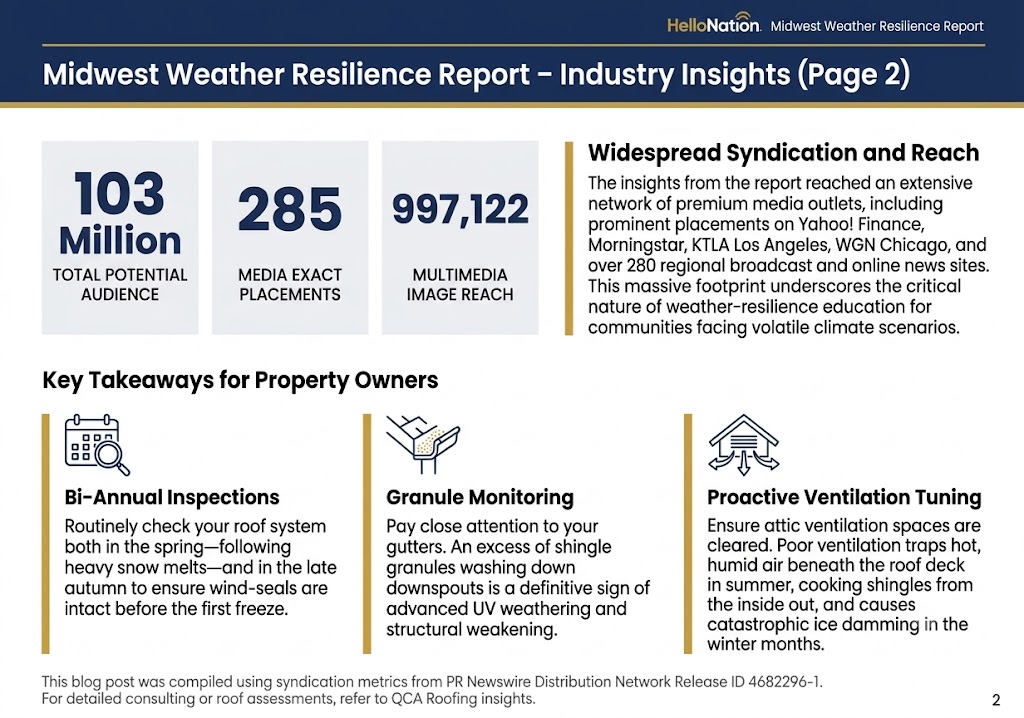
Scheduling a professional roof inspection before and after winter can help homeowners address these risks early.
Storm Damage and High Winds
Severe Midwest storms can create sudden roofing problems. Strong winds, heavy rain, and hail can damage shingles, loosen roofing materials, and expose vulnerable areas of the home.
Even if damage is not immediately visible, small issues can worsen over time. Missing shingles or minor cracks can allow moisture to enter, leading to bigger repairs later.
After major storms, homeowners should look for:
- Missing or lifted shingles
- Damaged flashing
- Signs of leaks indoors
- Water stains on ceilings or walls
- Debris impact damage
Quick action after storm damage can help extend the life of a roof and reduce repair costs.
The Importance of Preventive Roof Maintenance
Regular maintenance is one of the best ways to protect a roofing system from unpredictable weather. A well-maintained roof performs better and provides stronger protection throughout every season.
Homeowners can improve roof durability by:
1. Scheduling Regular Roof Inspections
Professional inspections help detect hidden problems before they become serious.
2. Keeping Gutters Clear
Proper drainage prevents water buildup and reduces the risk of leaks.
3. Repairing Damage Quickly
Small roofing issues can quickly become larger structural concerns if ignored.
4. Preparing for Seasonal Changes
Checking your roof before winter and storm seasons helps ensure your home is ready.
Protecting Your Home Through Every Season
Midwest weather will continue to challenge roofing systems, but proper care can make a significant difference. A strong roof is not only about preventing leaks — it protects your home’s structure, improves energy efficiency, and provides peace of mind.
Understanding how Midwest weather impacts roofs allows homeowners to make smarter decisions about maintenance, repairs, and long-term protection.
With routine inspections, timely repairs, and proper preparation, your roof can continue protecting your home through snow, storms, rain, and changing temperatures year after year.
Contact Us
Helpful Resources
Explore our related pages to learn more:


